Mitigation
Every year, we 100% offset guest emissions and invest in wonderful mitigation projects. Beyond building a portfolio of the highest-quality projects, how do we decide where to allocate the cash? We present all the options to our amazing Bobstars (our team) and let them vote on it. This year, over 100 Bobstars voted for these projects, and we invested over £45,000.
Every year, we 100% offset guest emissions and invest in wonderful mitigation projects. Beyond building a portfolio of the highest-quality projects, how do we decide where to allocate the cash? We present all the options to our amazing Bobstars (our team) and let them vote on it. This year, over 100 Bobstars voted for these projects, and we invested over £45,000.
Project 1: AgroEcology Project in Italy
Project 1: AgroEcology Project in Italy
Various Farms, Southern Italy
Various Farms, Southern Italy
Project Overview
Project Overview
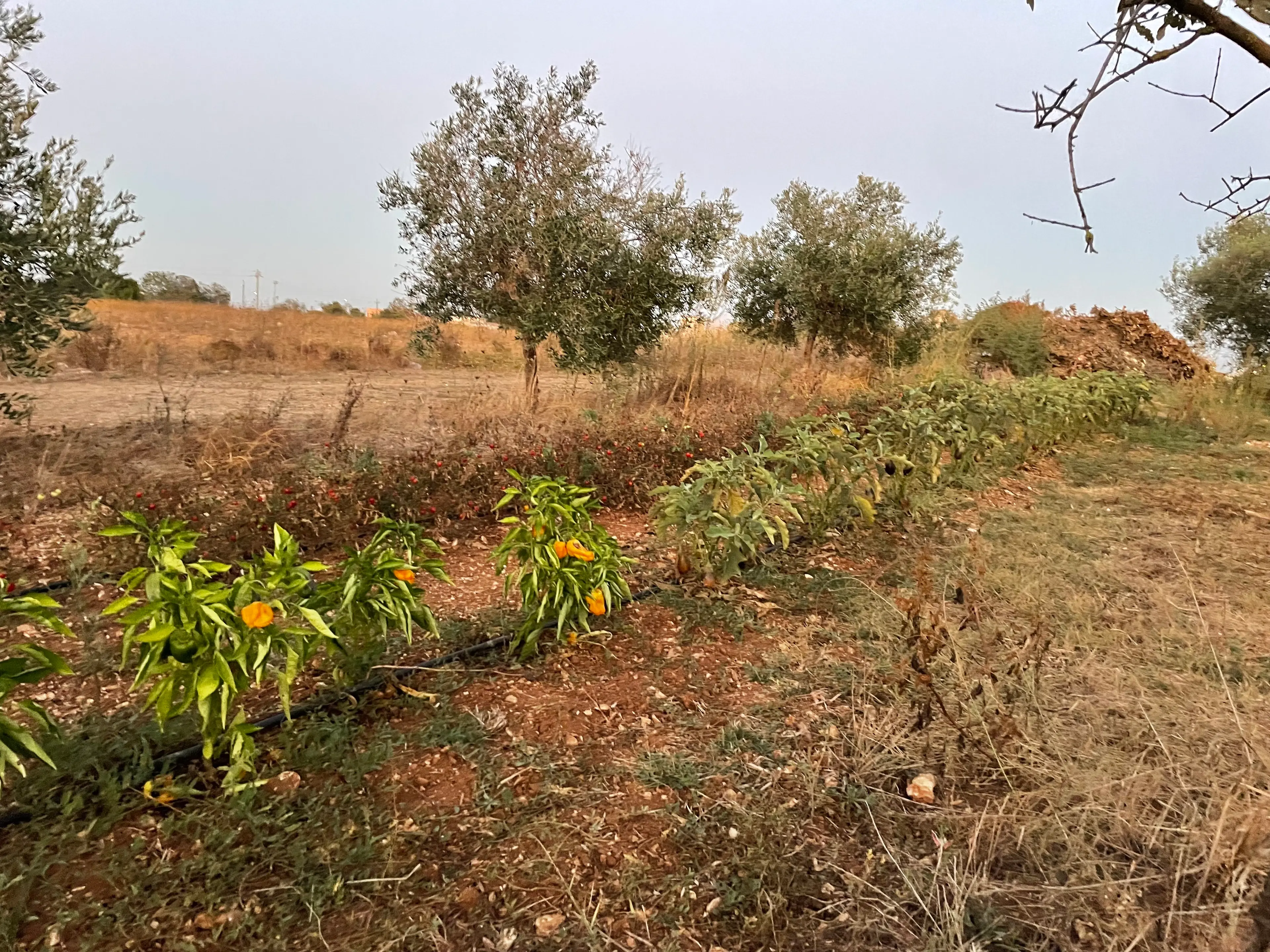
AgroEcology_Italy pays individual Italian farmers, under 45 year monitoring periods setup via 3 x 15-year individual farm contracts, to adopt regenerative practices such as cover cropping, reduced tillage, agroforestry, organic amendments in order to rebuild soil organic carbon (SOC) and above-ground biomass on conventional cropland. The project uses a Bayesian-calibrated RothC soil carbon model recalibrated on annual field sampling, verified under ISO 14064-2. It has scaled from 67 farms (1,475 ha) in 2022–23 to 316 farms (12,293 ha) in the current period, well behind its original 200,000 ha ambition.
AgroEcology_Italy pays individual Italian farmers, under 45 year monitoring periods setup via 3 x 15-year individual farm contracts, to adopt regenerative practices such as cover cropping, reduced tillage, agroforestry, organic amendments in order to rebuild soil organic carbon (SOC) and above-ground biomass on conventional cropland. The project uses a Bayesian-calibrated RothC soil carbon model recalibrated on annual field sampling, verified under ISO 14064-2. It has scaled from 67 farms (1,475 ha) in 2022–23 to 316 farms (12,293 ha) in the current period, well behind its original 200,000 ha ambition.
SDGs Monitored
SDGs Monitored
SDG 1.1 / 1.2 (poverty / food security): self-reported from farmers on “economic situation improved,” average 6.29/10 (132 respondents)
SDG 2.3 / 2.4 / 2.5 (productivity, sustainability, resilience): scores on productivity per hectare, crop diversity, climate-resilient varieties
SDG 8.2 / 8.3 / 8.5 (productivity, entrepreneurship, jobs): scores on job creation and working conditions
SDG 9.3 / 9.5 (finance access, innovation): perception scores on access to financial services / technology
SDG 12.2 / 12.4 / 12.8 (resource efficiency, chemical / waste management, awareness)
SDG 13.1 / 13.3 (climate resilience, education)
SDG 15.5 (biodiversity)
SDG 1.1 / 1.2 (poverty / food security): self-reported from farmers on “economic situation improved,” average 6.29/10 (132 respondents)
SDG 2.3 / 2.4 / 2.5 (productivity, sustainability, resilience): scores on productivity per hectare, crop diversity, climate-resilient varieties
SDG 8.2 / 8.3 / 8.5 (productivity, entrepreneurship, jobs): scores on job creation and working conditions
SDG 9.3 / 9.5 (finance access, innovation): perception scores on access to financial services / technology
SDG 12.2 / 12.4 / 12.8 (resource efficiency, chemical / waste management, awareness)
SDG 13.1 / 13.3 (climate resilience, education)
SDG 15.5 (biodiversity)
Fact File
Fact File
Project Name: AgroEcology_Italy — Reducing GHG Emissions and Increasing Carbon Sequestration in Italian Agriculture
Registry: International Carbon Registry (ICR)
Project Code: ICR48
Methodology: LIFE C-Farms framework (EU LIFE20 PRE IT/017) + elements of Verra VM0042 (soil carbon, Approach 1) + CDM AR-AMS0007 (agroforestry biomass); ISO 14064-2; RothC model validated per VMD0053v2.1
Monitoring Period (this report): 01.01.2024 – 30.11.2025 (2nd verification cycle; MRV began 01.01.2022)
Offset Type: Removal (soil organic carbon + biomass)
Location: Southern Italy, concentrated in Puglia (HQ: Lecce), plus Calabria, Basilicata, Sicily, Campania, Abruzzo, Molise, Lazio, Tuscany
Project Developer: Alberami S.r.l. Società Benefit (CEO: Francesco Musardo)
Third-Party Rating: BeZero Carbon “BBB” (22 Nov 2025)
Crediting Period: 45 years (3 × 15-year renewable cycles), 01.01.2022 – 31.12.2066
Tracking: Alberami™ digital MRV platform + annual soil sampling + national soil/climate raster datasets (SoilGrids, BIGBANG, DSP-Italy)
Third-Party Verification: Independent VVB under ICR rules; Validation 29 Apr 2024; 1st Verification 13–15 Dec 2023; 2nd Verification 30 May 2025; 3rd Verification scheduled 30 May 2026
Quantification Methodology: RothC dynamic SOC model, Bayesian MCMC parameter estimation
Project Name: AgroEcology_Italy — Reducing GHG Emissions and Increasing Carbon Sequestration in Italian Agriculture
Registry: International Carbon Registry (ICR)
Project Code: ICR48
Methodology: LIFE C-Farms framework (EU LIFE20 PRE IT/017) + elements of Verra VM0042 (soil carbon, Approach 1) + CDM AR-AMS0007 (agroforestry biomass); ISO 14064-2; RothC model validated per VMD0053v2.1
Monitoring Period (this report): 01.01.2024 – 30.11.2025 (2nd verification cycle; MRV began 01.01.2022)
Offset Type: Removal (soil organic carbon + biomass)
Location: Southern Italy, concentrated in Puglia (HQ: Lecce), plus Calabria, Basilicata, Sicily, Campania, Abruzzo, Molise, Lazio, Tuscany
Project Developer: Alberami S.r.l. Società Benefit (CEO: Francesco Musardo)
Third-Party Rating: BeZero Carbon “BBB” (22 Nov 2025)
Crediting Period: 45 years (3 × 15-year renewable cycles), 01.01.2022 – 31.12.2066
Tracking: Alberami™ digital MRV platform + annual soil sampling + national soil/climate raster datasets (SoilGrids, BIGBANG, DSP-Italy)
Third-Party Verification: Independent VVB under ICR rules; Validation 29 Apr 2024; 1st Verification 13–15 Dec 2023; 2nd Verification 30 May 2025; 3rd Verification scheduled 30 May 2026
Quantification Methodology: RothC dynamic SOC model, Bayesian MCMC parameter estimation
Problem & Solution
Problem & Solution
Problem: Conventional Italian cropland management using continuous monoculture, bare fallow, mouldboard ploughing, crop-residue removal, and synthetic fertilizer use has steadily depleted soil organic carbon and biodiversity. No agricultural carbon project had previously operated at scale in Italy, and EU CAP eco-scheme subsidies are too unstable to reliably fund farmers’ transition to regenerative practices, leaving both soil degradation and rural climate exposure largely unaddressed.
Solution: Alberami contracts individual farmers for 15 years to adopt at least three of 13 verified regenerative practices in the form of cover cropping, reduced tillage, agroforestry and organic amendments, across a nationwide network now covering 316 farms. Soil Carbon change is estimated with a Bayesian-calibrated RothC model recalibrated on annual soil sampling and validated under ISO 14064-2/VMD0053v2.1, with a 10% buffer pool held against reversal risk.
Problem: Conventional Italian cropland management using continuous monoculture, bare fallow, mouldboard ploughing, crop-residue removal, and synthetic fertilizer use has steadily depleted soil organic carbon and biodiversity. No agricultural carbon project had previously operated at scale in Italy, and EU CAP eco-scheme subsidies are too unstable to reliably fund farmers’ transition to regenerative practices, leaving both soil degradation and rural climate exposure largely unaddressed.
Solution: Alberami contracts individual farmers for 15 years to adopt at least three of 13 verified regenerative practices in the form of cover cropping, reduced tillage, agroforestry and organic amendments, across a nationwide network now covering 316 farms. Soil Carbon change is estimated with a Bayesian-calibrated RothC model recalibrated on annual soil sampling and validated under ISO 14064-2/VMD0053v2.1, with a 10% buffer pool held against reversal risk.
Project 2: Sumatra Merang Peatland Project
Project 2: Sumatra Merang Peatland Project
South Sumatra, Indonesia
South Sumatra, Indonesia

Photo: Forest Carbon
Project Overview
Project Overview
The Sumatra Merang Peatland Project (SMPP) protects and restores 22,922 ha of degraded tropical peatland in the Merang-Kepayang peat dome, Musi Banyuasin district, South Sumatra. It combines Wetlands Restoration & Conservation (rewetting drained peatland and conserving undrained peat) with Afforestation, Reforestation and Revegetation activities. Core interventions are canal-blocking dams (250 installed by end of 2024) to raise the water table, fire prevention systems, assisted natural regeneration with native species, biodiversity monitoring, and community development. The project averts the baseline conversion to industrial acacia plantation as well as builds biomass through natural regeneration of native tropical environment.
The Sumatra Merang Peatland Project (SMPP) protects and restores 22,922 ha of degraded tropical peatland in the Merang-Kepayang peat dome, Musi Banyuasin district, South Sumatra. It combines Wetlands Restoration & Conservation (rewetting drained peatland and conserving undrained peat) with Afforestation, Reforestation and Revegetation activities. Core interventions are canal-blocking dams (250 installed by end of 2024) to raise the water table, fire prevention systems, assisted natural regeneration with native species, biodiversity monitoring, and community development. The project averts the baseline conversion to industrial acacia plantation as well as builds biomass through natural regeneration of native tropical environment.
SDGs Monitored
SDGs Monitored
SDG 13 (Climate Action): ~1.34 M tCO₂e/yr avoided on average; 8.59 M tCO₂e cumulative through 2024.
SDG 15 (Life on Land): 22,922 ha under biodiversity management; 7 Critically Endangered, 14 Endangered, 24 Vulnerable IUCN species protected; closed-canopy cover up from 330 ha (2016) to 5,872 ha (2021).
SDG 6 (Clean Water): 147 rainwater catchment systems installed across two villages benefiting ~665–846 residents.
SDG 4 (Quality Education): 479 students supported lifetime; 21 university scholarships; 314 children in afterschool programmes.
SDG 3 (Health): 575 infant immunisations in 2024; 3 health facilities supported; medicines reaching ~8,000 villagers.
SDG 8 (Decent Work): 139 cumulative jobs (46 in 2024); 23 women employed lifetime.
SDG 5 (Gender Equality): ~50% of beneficiaries female; 173 women trained in maternal/stunting health.
SDG 1 (No Poverty): 31 fishermen retain livelihood access; 2 farmers; ~50% of project food spend with 13 local shops.
SDG 13 (Climate Action): ~1.34 M tCO₂e/yr avoided on average; 8.59 M tCO₂e cumulative through 2024.
SDG 15 (Life on Land): 22,922 ha under biodiversity management; 7 Critically Endangered, 14 Endangered, 24 Vulnerable IUCN species protected; closed-canopy cover up from 330 ha (2016) to 5,872 ha (2021).
SDG 6 (Clean Water): 147 rainwater catchment systems installed across two villages benefiting ~665–846 residents.
SDG 4 (Quality Education): 479 students supported lifetime; 21 university scholarships; 314 children in afterschool programmes.
SDG 3 (Health): 575 infant immunisations in 2024; 3 health facilities supported; medicines reaching ~8,000 villagers.
SDG 8 (Decent Work): 139 cumulative jobs (46 in 2024); 23 women employed lifetime.
SDG 5 (Gender Equality): ~50% of beneficiaries female; 173 women trained in maternal/stunting health.
SDG 1 (No Poverty): 31 fishermen retain livelihood access; 2 farmers; ~50% of project food spend with 13 local shops.
Fact File
Fact File
Project Name: Sumatra Merang Peatland Project (SMPP)
Registry: Verra (VCS) + CCB Standards Third Edition (Climate Gold + Biodiversity Gold)
Project Code: VCS 1899
Methodology: VM0007 REDD+ Methodology Framework v1.5 (modules BL-PEAT, M-PEAT, BL-ARR, AR-ACM0003, LK-ASP, LK-ECO; with VT0005 for AGB)
Monitoring Period: Crediting period 1 Jan 2016 – 31 Dec 2062 (47 years).
Offset Type: Mixed Avoidance (WRC: avoided peat oxidation and fire) with Removal (ARR via assisted natural regeneration)
Location: Bayung Lencir sub-district, Musi Banyuasin, South Sumatra, Indonesia
Project Developer: PT Global Alam Lestari (license holder, Pekanbaru, Indonesia) with Forest Carbon Pte Ltd (Equator Group Pte Ltd, Singapore) as technical lead
Project Type: AFOLU – WRC (RDP + CUPP) + ARR
Tracking: Verra Registry (VCS Project Database), 250 dams, dip-well + smart-sensor hydrological network, satellite fire EWS, biomass plots, camera traps
Third-Party Verification: Validation – Aster Global Environmental Solutions (26 Nov 2019); Verification – AENOR Internacional S.A.U. (multiple cycles, most recent 2024)
Quantification Methodology: VM0007 v1.5; AFOLU Non-Permanence Risk Tool v4.0 (buffer 14% in 2021, 18% in 2024); uncertainty 6.68% in 2024 (<10% threshold)
Project Name: Sumatra Merang Peatland Project (SMPP)
Registry: Verra (VCS) + CCB Standards Third Edition (Climate Gold + Biodiversity Gold)
Project Code: VCS 1899
Methodology: VM0007 REDD+ Methodology Framework v1.5 (modules BL-PEAT, M-PEAT, BL-ARR, AR-ACM0003, LK-ASP, LK-ECO; with VT0005 for AGB)
Monitoring Period: Crediting period 1 Jan 2016 – 31 Dec 2062 (47 years).
Offset Type: Mixed Avoidance (WRC: avoided peat oxidation and fire) with Removal (ARR via assisted natural regeneration)
Location: Bayung Lencir sub-district, Musi Banyuasin, South Sumatra, Indonesia
Project Developer: PT Global Alam Lestari (license holder, Pekanbaru, Indonesia) with Forest Carbon Pte Ltd (Equator Group Pte Ltd, Singapore) as technical lead
Project Type: AFOLU – WRC (RDP + CUPP) + ARR
Tracking: Verra Registry (VCS Project Database), 250 dams, dip-well + smart-sensor hydrological network, satellite fire EWS, biomass plots, camera traps
Third-Party Verification: Validation – Aster Global Environmental Solutions (26 Nov 2019); Verification – AENOR Internacional S.A.U. (multiple cycles, most recent 2024)
Quantification Methodology: VM0007 v1.5; AFOLU Non-Permanence Risk Tool v4.0 (buffer 14% in 2021, 18% in 2024); uncertainty 6.68% in 2024 (<10% threshold)
Problem & Solution
Problem & Solution
Problem: Indonesia’s peat-swamp forests have suffered decades of degradation through canal excavation, illegal logging and conversion to industrial acacia plantation. The Merang landscape was logged in the 1990s, drained, and burned in massive fires in 2004, 2006 and 2015. Drained peatlands oxidise and emit very large volumes of CO₂, while the dried peat fuels haze-causing fires that threaten biodiversity, public health and global climate.
Solution: SMPP rewets the peat dome by blocking drainage canals with 250 dams, prevents fire through patrols, EWS and joint training with neighbours, and lets degraded forest regenerate naturally with supplementary planting of only native species. This avoids the legally permissible alternative of conversion to acacia plantation. Ecological risks are low-to-moderate: native-only planting avoids invasive-species concerns, raised water tables reduce fire risk, and a documented incident of accidental adjacent-plantation encroachment was remediated with native replanting.
Problem: Indonesia’s peat-swamp forests have suffered decades of degradation through canal excavation, illegal logging and conversion to industrial acacia plantation. The Merang landscape was logged in the 1990s, drained, and burned in massive fires in 2004, 2006 and 2015. Drained peatlands oxidise and emit very large volumes of CO₂, while the dried peat fuels haze-causing fires that threaten biodiversity, public health and global climate.
Solution: SMPP rewets the peat dome by blocking drainage canals with 250 dams, prevents fire through patrols, EWS and joint training with neighbours, and lets degraded forest regenerate naturally with supplementary planting of only native species. This avoids the legally permissible alternative of conversion to acacia plantation. Ecological risks are low-to-moderate: native-only planting avoids invasive-species concerns, raised water tables reduce fire risk, and a documented incident of accidental adjacent-plantation encroachment was remediated with native replanting.
Project 3: Lango Safe Water
Project 3: Lango Safe Water
Various Locations, Northern Uganda
Various Locations, Northern Uganda
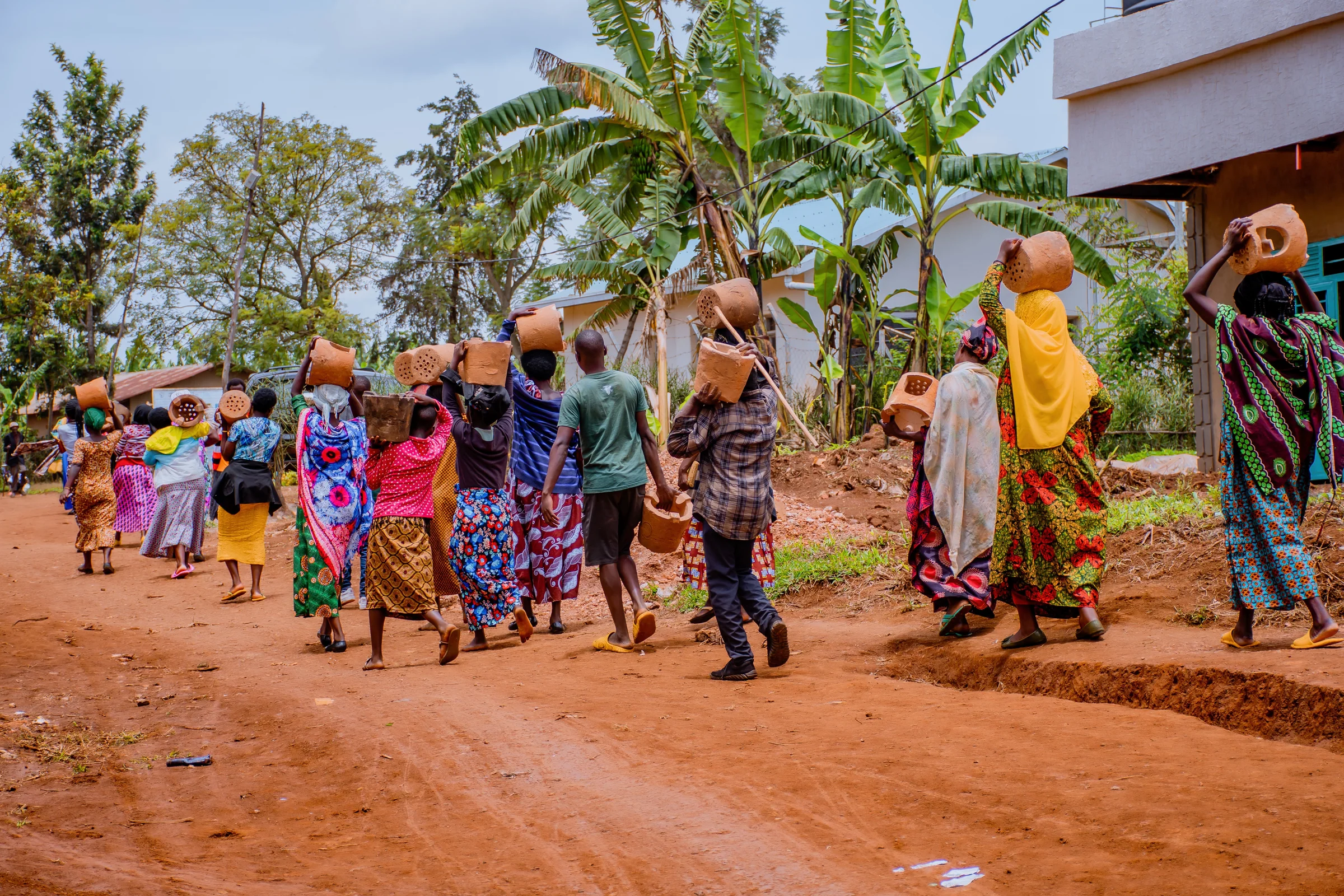
Photo: CO2balance
Project Overview
Project Overview
With 21 million people in Uganda still without access to clean water, communities often rely on unsafe wells, lakes and other open water sources that are highly susceptible to contamination. Community groups own many existing boreholes across Uganda and have fallen into disrepair because maintenance programmes have been poorly managed or proven too expensive. The Lango Safe Water project aims to resolve this issue and reduce emissions associated with water boiling, whilst also being the first ever Gold Standard Gender Responsive certification project.
With 21 million people in Uganda still without access to clean water, communities often rely on unsafe wells, lakes and other open water sources that are highly susceptible to contamination. Community groups own many existing boreholes across Uganda and have fallen into disrepair because maintenance programmes have been poorly managed or proven too expensive. The Lango Safe Water project aims to resolve this issue and reduce emissions associated with water boiling, whilst also being the first ever Gold Standard Gender Responsive certification project.
SDGs Monitored
SDGs Monitored
SDG 13 (Climate Action): 63,890 tCO₂e verified across GS7362–66 for MP9 (21 months); GS7364 alone 14,141 tCO₂e; per-VPA rate rose from 2,660 to 8,081 tCO₂e/yr between MP7 and MP9.
SDG 6 (Clean Water): 24,550 additional persons with access to safe water; 107 boreholes active; 93% of water quality tests passed, 7% failed; 189 non-functional days deducted from crediting.
SDG 3 (Health): 26,968 additional persons consuming safe water (GS7364: 5,852); annual laboratory water quality testing at every borehole; annual WASH training at every water point.
SDG 5 (Gender Equality): 31.23% reduction in time spent collecting water; 40% female representation on Water Resource Committees, up from a 20% baseline; 276 attendees at the November 2025 gender training (140 men, 136 women);
SDG 13 (Climate Action): 63,890 tCO₂e verified across GS7362–66 for MP9 (21 months); GS7364 alone 14,141 tCO₂e; per-VPA rate rose from 2,660 to 8,081 tCO₂e/yr between MP7 and MP9.
SDG 6 (Clean Water): 24,550 additional persons with access to safe water; 107 boreholes active; 93% of water quality tests passed, 7% failed; 189 non-functional days deducted from crediting.
SDG 3 (Health): 26,968 additional persons consuming safe water (GS7364: 5,852); annual laboratory water quality testing at every borehole; annual WASH training at every water point.
SDG 5 (Gender Equality): 31.23% reduction in time spent collecting water; 40% female representation on Water Resource Committees, up from a 20% baseline; 276 attendees at the November 2025 gender training (140 men, 136 women);
Fact File
Fact File
Project Name: Lango Safe Water Project
Registry: Gold Standard for the Global Goals (GS4GG); Gender Responsive Certification (GS Gender Equality Requirements & Guidelines v2.0)
Project Code: PoA GS1247 “Improved Kitchen Regimes Multi-Country PoA”;
Methodology: Technologies and Practices to Displace Decentralized Thermal Energy Consumption (TPDDTEC) v1.0, Annex 3 (safe water), applied via GS Rule Update v3.0 (30 Jun 2022);
Offset Type: Avoidance — 100% (avoided firewood combustion from water boiling); no removals
Location: Lango sub-region, Northern Uganda: Alebtong, Dokolo, Otuke, Kole and Lira districts
Project Developer: CO2balance UK Ltd
Project Type: Community Services: safe drinking water supply via rehabilitation of community handpump boreholes
Third-Party Verification: Verification by SustainCERT S.A., report v02 dated 21 Jul 2026, approved 29 Jul 2026; physical site visit 16–18 Mar 2026 (10 boreholes, 12 users, 3 village heads); 6 CARs, 14 CLs, 4 FARs raised, all closed; prior physical visit 4–7 Dec 2023 by an Objective Observer
Quantification Methodology: TPDDTEC v1.0 suppressed-demand baseline;
Project Name: Lango Safe Water Project
Registry: Gold Standard for the Global Goals (GS4GG); Gender Responsive Certification (GS Gender Equality Requirements & Guidelines v2.0)
Project Code: PoA GS1247 “Improved Kitchen Regimes Multi-Country PoA”;
Methodology: Technologies and Practices to Displace Decentralized Thermal Energy Consumption (TPDDTEC) v1.0, Annex 3 (safe water), applied via GS Rule Update v3.0 (30 Jun 2022);
Offset Type: Avoidance — 100% (avoided firewood combustion from water boiling); no removals
Location: Lango sub-region, Northern Uganda: Alebtong, Dokolo, Otuke, Kole and Lira districts
Project Developer: CO2balance UK Ltd
Project Type: Community Services: safe drinking water supply via rehabilitation of community handpump boreholes
Third-Party Verification: Verification by SustainCERT S.A., report v02 dated 21 Jul 2026, approved 29 Jul 2026; physical site visit 16–18 Mar 2026 (10 boreholes, 12 users, 3 village heads); 6 CARs, 14 CLs, 4 FARs raised, all closed; prior physical visit 4–7 Dec 2023 by an Objective Observer
Quantification Methodology: TPDDTEC v1.0 suppressed-demand baseline;
Problem & Solution
Problem & Solution
Problem: Over 45% of rural Ugandans have no reliable safe water and draw from unprotected wells and open sources. Across Lango, thousands of community boreholes stand broken because maintenance was unfunded or unmanaged. Nationally, 5,312 sources have been non-functional for more than five years. Households face waterborne disease, long collection journeys borne mainly by women and girls, and firewood costs where they can afford to boil.
Solution: The project rehabilitates non-functional handpumps and funds a standing maintenance programme from credit revenue: trained Water Resource Committees, technician callout, annual laboratory testing, WASH and gender sensitisation training. Ecological risk is minimal: no land-use change, no species introduction, negligible abstraction.
Problem: Over 45% of rural Ugandans have no reliable safe water and draw from unprotected wells and open sources. Across Lango, thousands of community boreholes stand broken because maintenance was unfunded or unmanaged. Nationally, 5,312 sources have been non-functional for more than five years. Households face waterborne disease, long collection journeys borne mainly by women and girls, and firewood costs where they can afford to boil.
Solution: The project rehabilitates non-functional handpumps and funds a standing maintenance programme from credit revenue: trained Water Resource Committees, technician callout, annual laboratory testing, WASH and gender sensitisation training. Ecological risk is minimal: no land-use change, no species introduction, negligible abstraction.